Diary-Keeping: Embarrassing? Or Actually Beneficial?
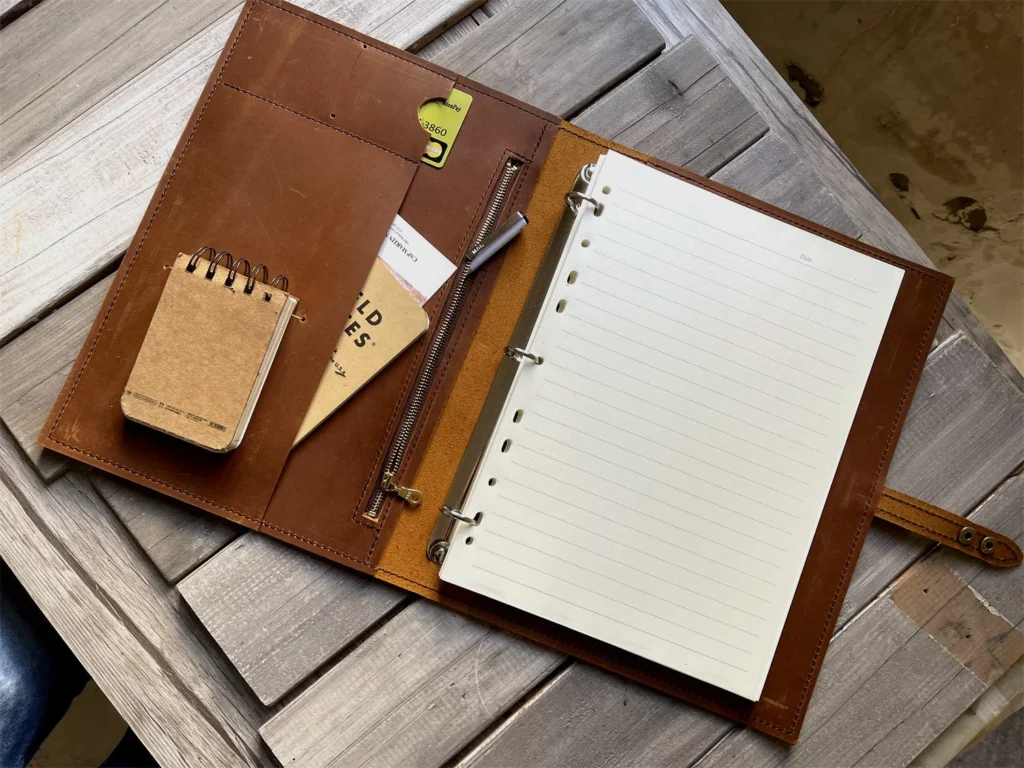
Table of Contents
Introduction
Keeping a diary can have multiple purposes, depending on the person. One of the main reasons why I kept a diary is to have this sentimental token of my life. Unfortunately, as life got busier and time seemed to transform itself into nothing but a blur, the practice of diary-keeping soon became a burden to me. Slowly, my time dedicated to writing soon dwindled and eventually stopped being a hobby for me. While I no longer keep a diary, it would be false to say that it did not help me to become more conscious of my growth as a person and my writing. I believe I would be a different person; likewise, if I had not disciplined myself in maintaining the practice for that long.
As such, while diary keeping may not be for everyone, it is a practice I sincerely believe can help many creatives find their spark in their work, and it is also a practice everyone can do once you find the time and peace (or not) to do so. It can be embarrassing, at first, to admit to journal keeping: I have undergone that tribunal of people asking me to read them my journal that I was too shy to show. Despite that, I genuinely benefitted from this practice a great deal than I originally thought. As such, to discuss the beneficial side of a journal, we have to ask ourselves this question: What is a Journal? And where did the practice of keeping a diary even start?
A Brief History of Journal Keeping
To answer the question, we have to ask ourselves this: What is a diary? According to the Merriam-Webster Dictionary, a diary is a written account of an event, observations, or personal feelings. According to Prof. Alaszewski, Emeritus Professor at the University of Kent, the basic journals record events as they occurred at the time. Accordingly, he also describes different types of diaries, such as personal diaries aimed at recording a person’s thoughts and ideas in the realm of their situation at a given time. The creation of the modern diary dates back to Europe, but the practice of diary keeping, in the realm of travel logs and occurrences in history, pre-dates contemporary diary keeping.
While diary keeping was a practice that was only practiced by nobles or educated people in the past, the increase in literacy rates has greatly broadened our perspectives of people of all diverse backgrounds. This brings me to notable thinkers and scholars, who often kept diaries and have been published to the public. One of the more famous diaries sold in bookstores is the Diary of Anne Frank, who wrote about her experience hiding from the nazis with her family in the 1940s in Amsterdam. Renowned scientist Charles Darwin kept a journal that details his life in brief in 1893. Franz Kafka, the author of his famous novel The Metamorphosis, kept a journal detailing his life from 1910 to 1923 in Prague.
Is it Actually Embarrassing to Keep One?
My first exposure to journaling was through different types of media. I often see movies and shows that depict teenage girls writing in their diaries and being embarrassed and angry when a person reads it without permission. It created a narrative in my mind to believe that diaries are only reserved for teenage girls, and keeping one is seen as “cringe” in my eyes. Throughout my life, that narrative slowly wore off from me, but the question now lies in my brain. Why did I think it was embarrassing? I cannot speak for everyone’s experiences, but I believe that men keeping journals creates the image of a knowledgeable person who has lived experiences being transferred onto paper. In contrast to women, women who journal may not get taken seriously by their academic or social peers simply because of misogynistic ideology.
In my personal experience, I can describe why having to keep a journal was embarrassing for me. For starters, I was confident in my writing skills. I started to keep a journal at a young age, with the hopes of improving my writing skills and becoming a writer. With those dreams comes a price of being vulnerable to your writing, and that is the core issue at hand. To be vulnerable in your writing is to show a part of yourself that is willing to write without hesitation or constraint. For others, that can be very hard to do, and it takes lots of practice to be good at it. Once you can be vulnerable with your journal, it benefits the way you write and perceive the world.
The last trial in keeping a diary is the hardest one, in my opinion: reading your entries. For the longest time, I would never read my entries after a month had passed because it felt embarrassing for me. Now, if I were to read the entries I have made as a 12-year-old, I would definitely feel a sense of nostalgia from that time. But when I first started to write, it felt like Hell. My writing is bad, my grammar was horrible, and the things that I would write about felt very uneventful. It would take a long time to fully be able to read by writing, and actually appreciate the amount of work and effort in maintaining this practice, as well as see the growth that I was able to accomplish.
I can confidently say that keeping a diary can be useful or useless to an individual’s preferences. It may take a lot of time trying to dedicate yourself to a hobby or practice that may seem disingenuous or weird for you. And yet, I can confidently say that it is also one of the most rewarding hobbies you can give yourself if you want to observe the growth and progress that you have made as a person. I am now in my 20s, and looking back at the entries, I definitely feel glad that I managed to fix up a lot of the grammar mistakes in my writing, and started to be more vulnerable with my thoughts and feelings towards myself and others. Writing is a liberating action, and I definitely recommend doing so for yourself.
Header picture taken from LeatherNeo.