
Review on Clair Obscur: An exciting RPG with a philosophical twist
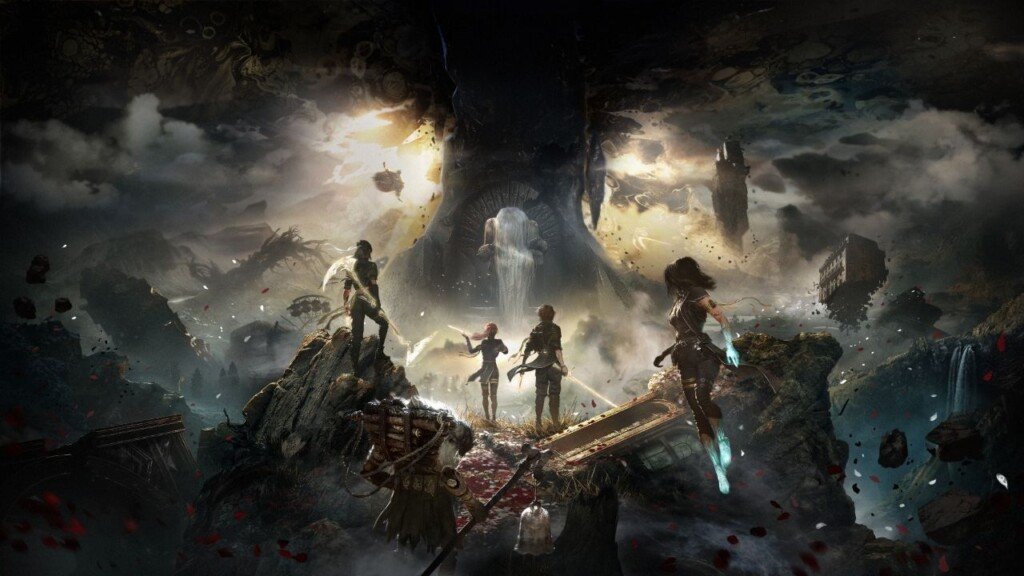
Table of Contents
Warning: There will be spoilers up ahead. Read at your own discretion
Introduction
Clair Obscure has captured the attention of many gamers across all platforms. Whether it is the graphics in the game, the fighting mechanics, or even the innovative yet complex storytelling, the game certainly caught the eyes of many gamers and casual gamers across the world. Personally, I do not consider myself a gamer, but a casual gamer at times. To find a game with a great storyline and an immersive world that draws on Parisian architecture from a particular time in France called “La Belle Époque” caught my eye; it’s an average RBG game with a twist in the second half.
Quick Overview
At the beginning of the game, you have one mission overall to complete: To eliminate The Paintress. The reason is the overall world that your character is living in. You start the game as a character named Gustav in a city called Lumière, and you are on your way to an expedition that will determine if you will live or die. According to the city’s inhabitants, the issues all stem from the birth of The Paintress and the doomsday biological clock that she sets for each person living in Lumiere. With that, you, along with many other expeditioners, take the risk to sail to the other side of Lumiere, called The Continent, to find and eliminate The Paintress to remove the set biological clock for its inhabitants.
Abilities
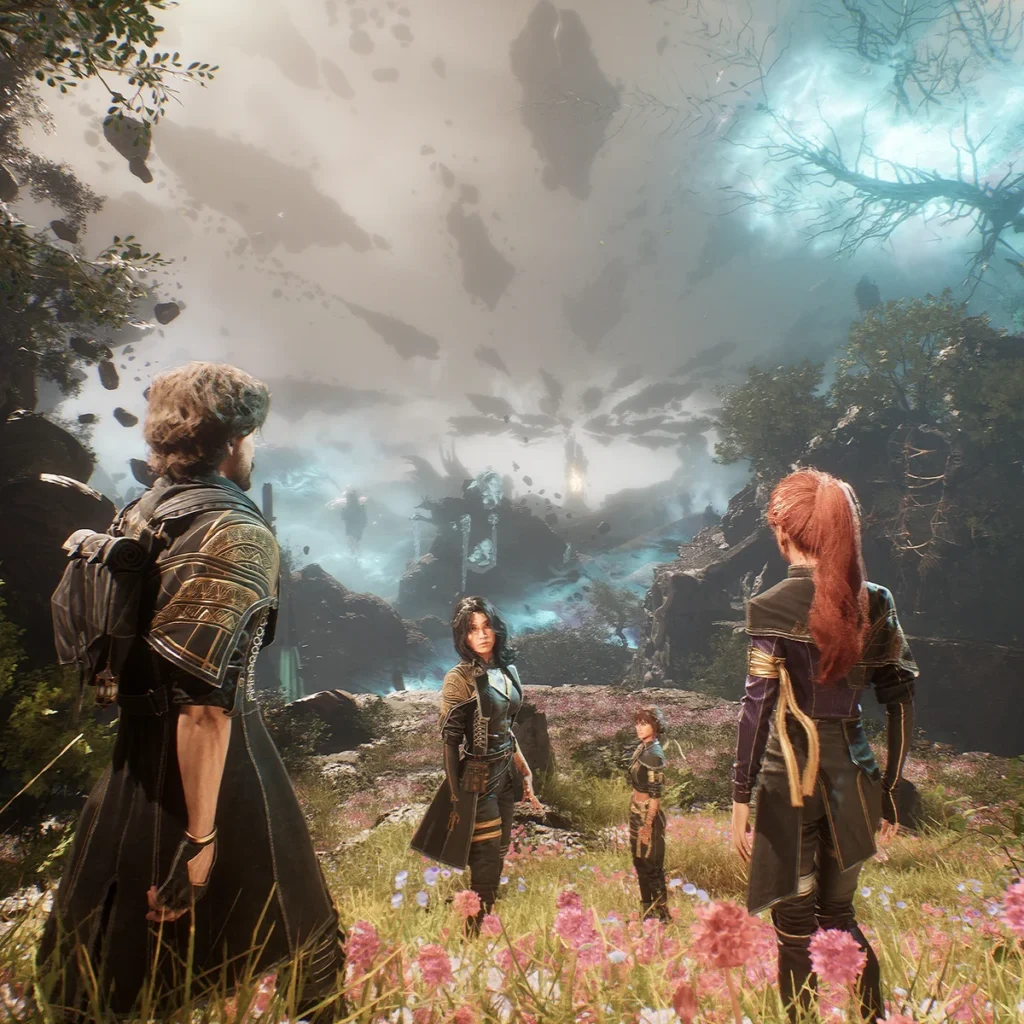
In a general review, the overall plot of the first game is relatively straightforward. It follows the usual conventions of an RPG, and its combat mechanics are turn-based. You are given four players at the beginning of the game to play, and you can enhance each character’s abilities using Lumina and Pictos. The dodge and parry mechanics in the game are important for combat, for it greatly helps you defeat enemies more easily and reduce damage to your characters. It takes a while to get used to the parry/dodge mechanics of the game if you are not familiar with similar settings, but it gets easier afterwards. If you want a more challenging combat setting, you can change the settings to make combat in the game harder and more difficult.
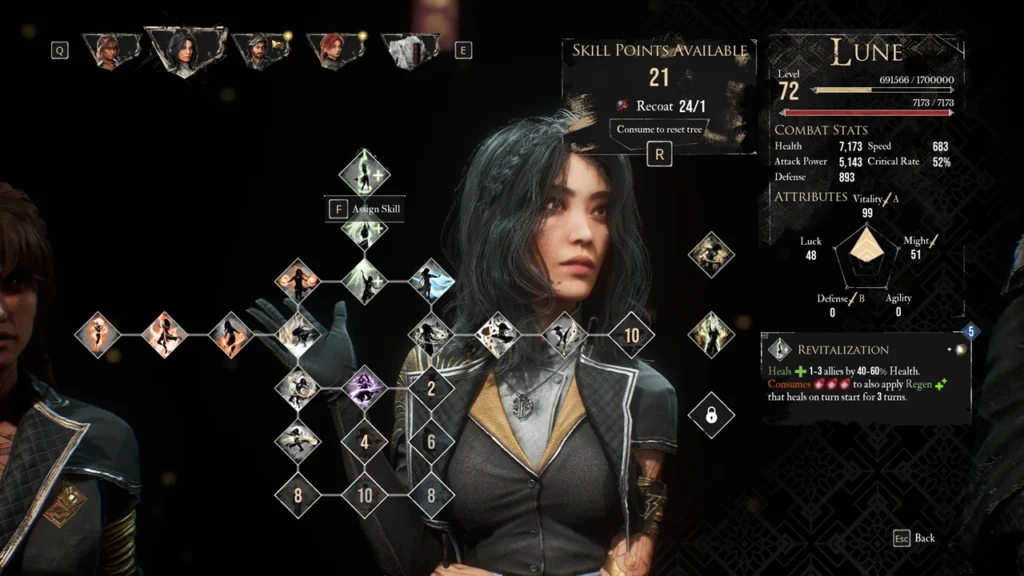
The character’s abilities are really interesting as well. For each character’s abilities, I believe it corresponds with each player’s characteristics as well. For Gustav, his weapon of choice is a medium damage sword that has medium to serious damage. His ultimate is one charged strike. Lune’s ability leans towards element stains, which are earth, wind, fire, ice, and lightning. Each corresponding ability can add to the others each turn to create an ultimate attack. For Maelle’s weapon, she has a lancing stance that influences the type of attack the player wants. There are defensive stances to increase defence but decrease attack damage, as well as offensive stances which increase attack but decrease defence. There is also a Virtuoso stance that increases damage but needs time to build up. Sciel’s attack is based on foretelling (via cards), which can affect the enemy player and influence attack damage. These four characters are introduced at the beginning of the game, but towards the second and third acts, there will be new characters introduced. One of them is named Verso, and the other character is Monoco. Both characters will serve an important role in the second and third acts of the game.
In choosing the best segment from Clair Obscur, I would like to state some things. The first act of the game is incredibly strong in world-building, as well as character-building for the main characters of the game. In the second act, it becomes apparent that the world that we know in the game is not what it seems, which hints that there is another piece of information we do not know about the world around us (including the introduction of Verso and Monoco). It is the third act, in my opinion, that truly makes Clair Obscure an unforgettable game due to the massive plot twist in the end, as well as a philosophical dilemma that it presents to the player.
Music
One of the major kudos to the game is the soundtrack. The composer for the game’s soundtrack is Lorien Testard, who is a fellow gamer himself. He is a guitar teacher and occasionally releases music on Soundcloud. The soundtrack features chamber music, as well as opera and occasional rock music. In an interview with Testard, he expresses the different musical instruments that each character possesses. For example, Gustav’s instrument is the cello, while Monoco’s is a saxophone. He also expresses the importance of the vocals in the soundtrack, which was brought to life by vocalist Alice Duport-Percier.
The inspiration for the overall maps and design
In an interview with Tom Guillermin, co-founder of Sandfall Interactive, he expresses his inspiration for the game. For starters, the overall landscape of Lumiér is inspired by a specific period in French history, La Belle Époque. He expresses that the game had multiple inspirations, such as Bioshock and Dishonour, with a mixture of Art Deco illustrations that were part of the Belle Époque era.
Conclusion
Overall, Clair Obscur: Expedition 33 is a great game. If you want a good story line with unforgettable characters, as well as an open world map that introduces you to different monsters and areas, including good and challenging fighting mechanics, then this game is for you. This game was developed by a French company called Sandfall Interactive. The company was founded by a former Ubisoft Employer, Guillaume Broche, and published by Kepler Interactive. While the game is made by an indie company, the game had many developers in tow to help with the creation. With that, I definitely recommend playing this game, for it is a game that will hook you in the first 5 minutes.