Hollywood’s Nostalgia Sickness: Is it Hurting Cinema?
Table of Contents
Introduction
We got Scream 7, yet another Star Wars movie and another Jurassic Park sequel. At this point, fans started to wonder: is Hollywood running out of ideas, or is it just easier to sell nostalgia?
Nostalgia bait is a marketing strategy where films, TV shows, music, or brands persistently use familiar characters, settings, plots, or direct samples from earlier productions. It aims to get the audience on an emotional hook by using the power of nostalgia. It often involves using the same characters and plot without adding anything creative or new in Hollywood.
Is Nostalgia Really The Problem?
Nostalgia itself isn’t necessarily a bad feeling. Revisiting a familiar fictional world or seeing a loved character can create excitement among audiences. The problem begins when nostalgia becomes the main selling point of the production rather than unique and fresh ideas.
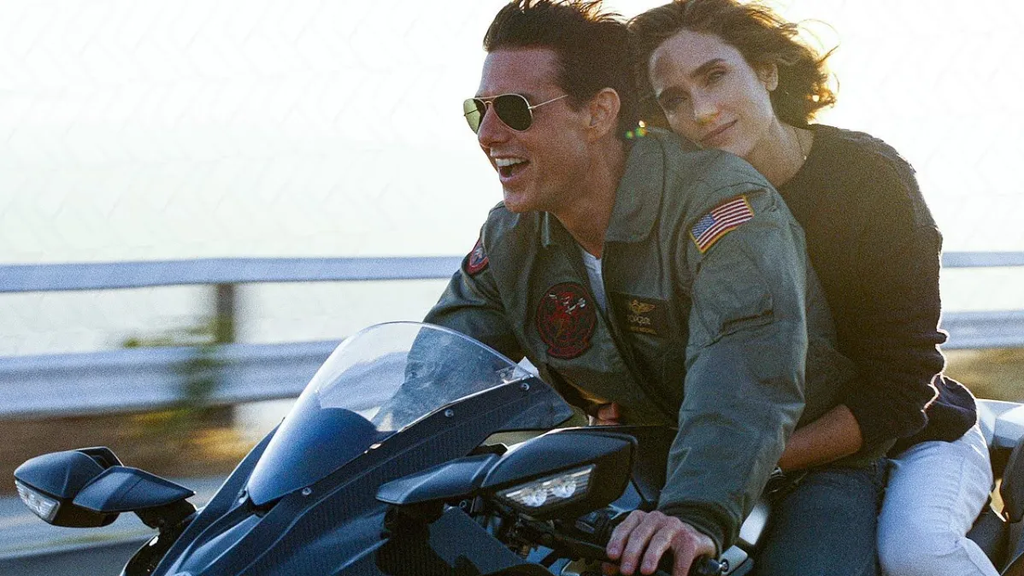
A good example of nostalgia is Top Gun: Maverick (2022). Although the film brings back familiar characters and references to the original movie, it relies on a new creative storyline while using the aspects of nostalgia from the original movie. The film introduces new characters, develops existing relationships and tells a story that can stand without completely relying on the original movie. This shows that nostalgia and originality don’t have to collide with each other.
Playing it safe in an industry built on risk
Through the history of cinema, some of the most memorable films have come from filmmakers willing to take creative risks and introduce original ideas. Even a look at IMDb’s highest-rated movies shows how original storytelling almost every time earned its place among the greatest films, while sequels are mostly liked less or disliked by the audience. Although there are notable exceptions, many of the fan-favorite films rely on creative ideas rather than existing only for franchises and nostalgia.
So Why Do People Criticize It?
While nostalgia itself isn’t really the problem, marketing on nostalgia has started to backstep more often. Audiences have started to recognize nostalgia marketing as a cheap shortcut, a way for studios to capitalize on familiar names, characters and stories rather than investing in original ideas.
As a result, audiences became more critical of movies marketed as nostalgic, questioning whether these productions have something new and creative or simply exist to remind them of something they already love. When nostalgia returns without meaningful development, it starts to feel less like a tribute and more like a marketing scheme for audiences.
The problem isn’t that Hollywood keeps looking back. It’s how they lose the audience’s trust with movies that are unwilling to look forward.
Where Does Hollywood Go From Here?
While audiences are becoming more aware of nostalgia marketing and starting to distance themselves from it, Hollywood continues to serve the same dish over and over again. As audience loses interest in established franchises, the general hype and hopes were never this high for original ideas.
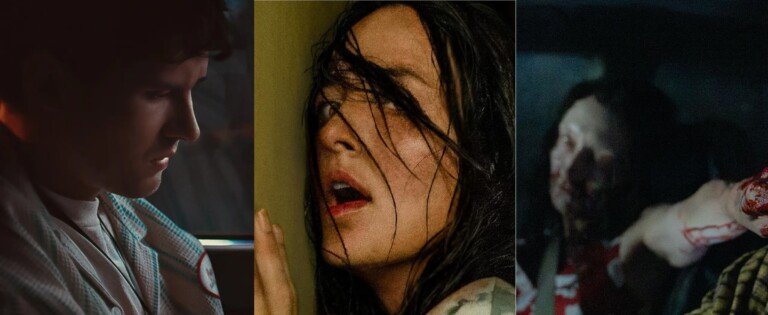
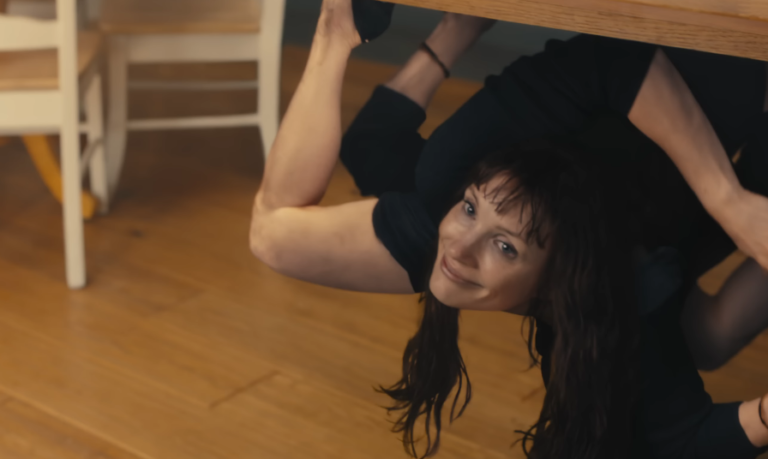
Especially this year with You Can See Everything, Obsession and other original ideas, audiences realized more that what they want to see is originality, not familiarity. What we learned is that nostalgia will always bring audiences back to cinema, but originality will be what makes them stay. And if Hollywood wants to keep audiences interested, it needs to start looking forward again.