Generative AI in Media: Is it actually beneficial to us?
Table of Contents
Introduction
When you scroll through social media, you often encounter reels and videos made by real content creators. Whether it’s fashion blogs, cooking recipes, or makeup tutorials, the online world has seen a massive wave of creativity and collaboration from creators throughout its public use. It is in recent times, the threat of Artificial Intelligence (AI) is now being discussed in news forums and online. Many people are using AI to help create their content for them, while Meta is creating AI accounts to create content that people might like. It is already being observed in Hollywood, where the usage of AI in creating films is being used today. Although AI in technology has fundamental positive notes in its purpose, such as general help in work in different sectors, the creation of generative AI is different. There is a lot of skepticism from people in the general public towards the use of generative AI will be used for the good of people. It is a stark contrast to different AI’s in different job sectors. With that, what is the general ideological difference between AI and generative AI? And does it actually affect us?
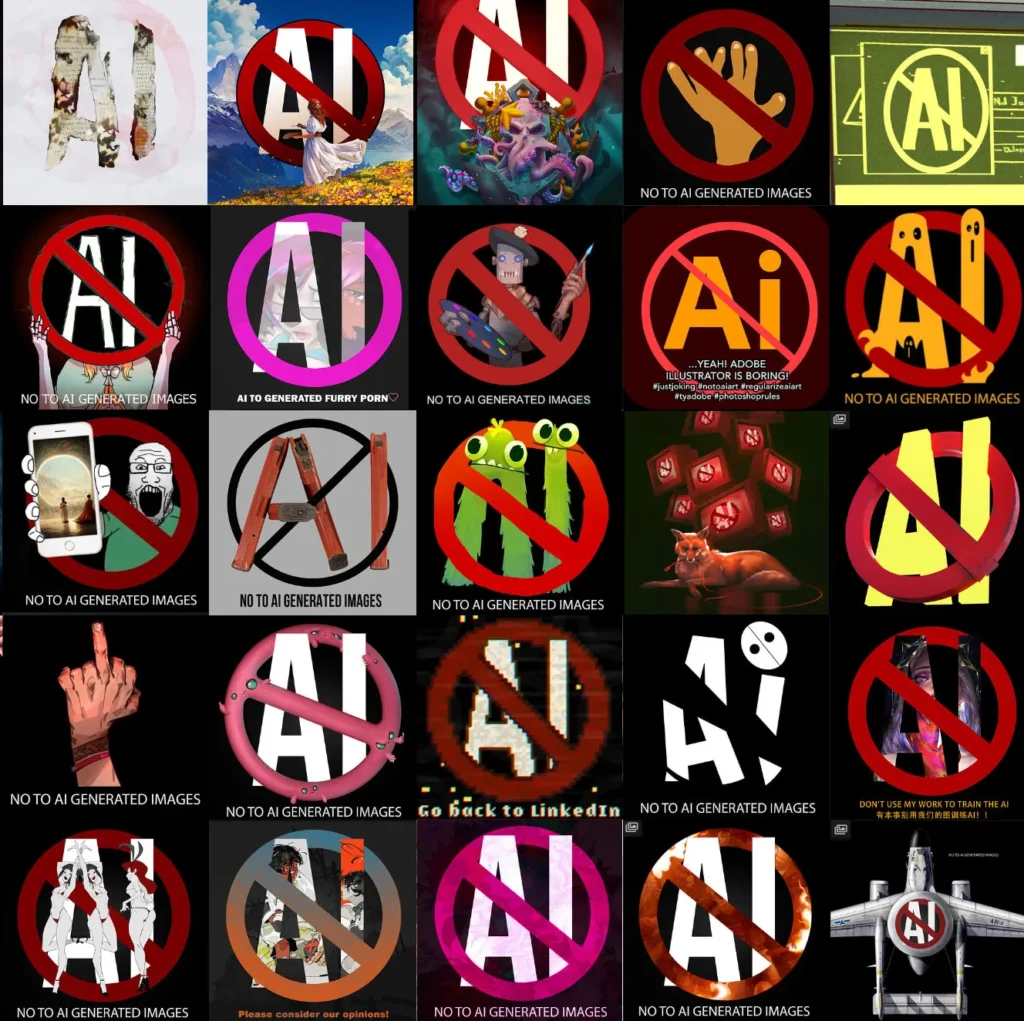
Generative AI in the creative industry.
One of the more concerning topics in relation to AI is Generative AI. Generative AI collects vast amounts of data and creates content for the person. It is different from AI primarily because AI’s function is to learn and solve issues or problems. For Generative AI, its model is different. Generative AI uses collected date to create content to what they believe is more pleasing to the person. While it may seem amazing for people to observe the wondrous facet of technology around us as ever-changing and growing, in the media industry it is a worrying shadow of what is to come in the creative industry.
According to Veritone, the market for AI in media is expected to rise from $67.5 billion to $85.4 billion in 2026, with almost 90% of their content being created by generative AI. There is a rise in concern from those in the creative industry due to its already unstable job retention within the industry. In recent times, there has been the use of AI in Hollywood. In an article written for Wired by Katie Drummond, she interviews Matthew Belloni on the use of AI in Hollywood. In this interview, Matthew describes the use of AI in writers’ rooms in Hollywood to help in the creative process. Another interesting point that Matthew brings up is the disruption of AI to the animation industry.
On TikTok, there was a trend that many people participated in where they used ChatGPT to create an image that used Hayao Miyazaki’s art style. Not only did Miyazaki comment on the trend in a negative light, but he stated that it went against the ethics of Studio Ghibli. With that, the fear of generative AI is not the AI itself, but rather the implications that art is becoming disposable. Not only in the animation industry, but in the creative industry in general, including Hollywood, where AI actors are already being created. In an article written by Technology Magazine, actors such as Emily Blunt have vocalized their disapproval of AI actors, like Tilly Norwood. While there is instability of work in the acting industry, AI actors simply became a nail in the coffin for the industry where it is losing money from people not watching films in cinemas.
Generative AI in Social Media and content creation
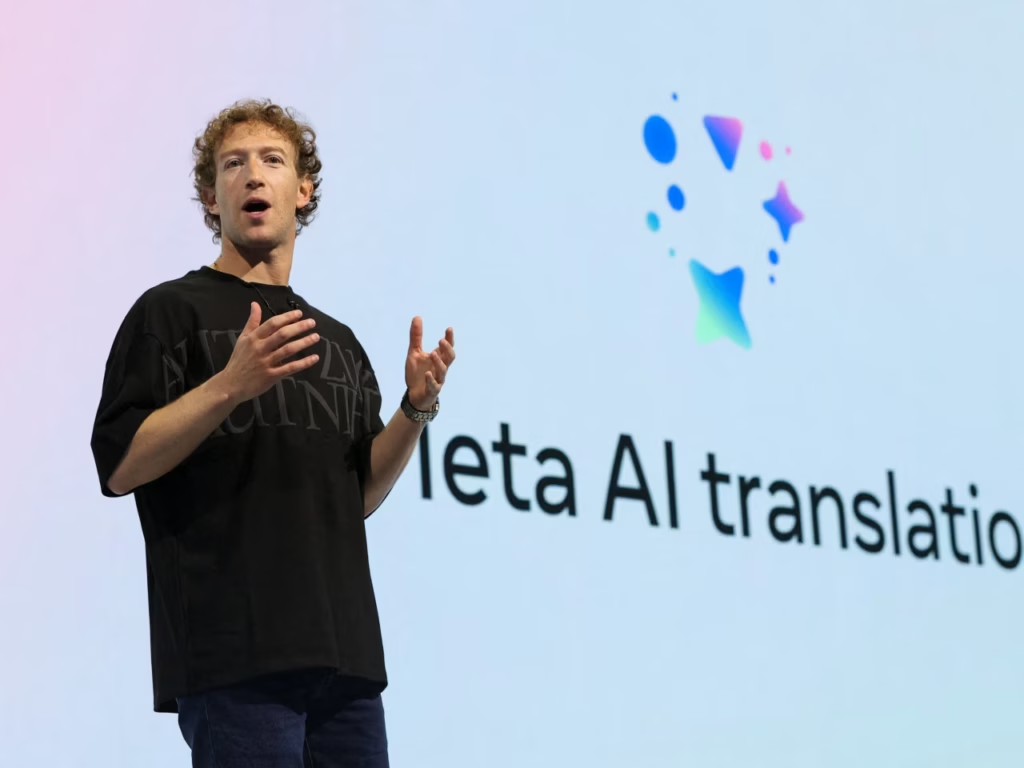
In the social media industry, the use of generative AI is also growing. In May of 2023, Meta announced that it was going to start using generative AI for its users to create content using its AI. Already, there are AI accounts promoting AI videos and memes circulating online. At times, these AI videos are often created by other Instagram users. At times, that AI content is often stolen by actual real-life content creators.
In a Rollingstones article, they wrote about different content creators encountering deepfakes of themselves in promotional ads that they did not approve of. Not only does this hurt independent content creators, especially those who do not have a massive following, but it distorts their image to people online. It is also identity theft, as well as promoting fraudulent business actions by stealing the identity of influencers and content creators to promote one’s own product or business.
Another social media platform that integrated AI and Generative AI into its business is X, formerly Twitter. In November of 2023, Elon Musk announced the integration of AI in the X platform, formerly known as Twitter, to be used to create generative AI content on its platform. With the rise of generative AI, there is a division in appreciation for generative AI. In an article written by DrexelNews, researchers from the Nick Howley College for Engineering and Computing conducted a research study on the levels of trust and distrust towards Generative AI. In the article, the researchers discovered that the majority of those who have a positive experience with AI are those who are business leaders, tech professionals, and academics. Those who have a significant distrust of generative AI were journalists, AI ethicists, and the general public.
There is a general feeling of animosity towards Generative AI in this current political and technological world that we are living in. Not only are there risks in AI and Generative AI, but the dangers to people’s livelihood and their own safety should be taken seriously. I should note that there are things where AI is permissible in everyday life that even creatives and content creators use. The general difference in the usage of AI is whether or not the use of AI will benefit your work by using AI responsibly without affecting others negatively. As such, AI is affecting us in our everyday lives, but how we use AI is up to use to use it responsibly.